
From Minority Report to Reality: Palantir’s Pre-Crime Machine and the Quiet Rise of the American Police State
In Spielberg’s Minority Report, cops nab folks for uncommitted crimes. Now Palantir’s AI predicts threats, merges personal data for warrantless watches—echoing Orwell’s Big Brother. Bipartisan alarm rises over a police state trading freedom for safety.
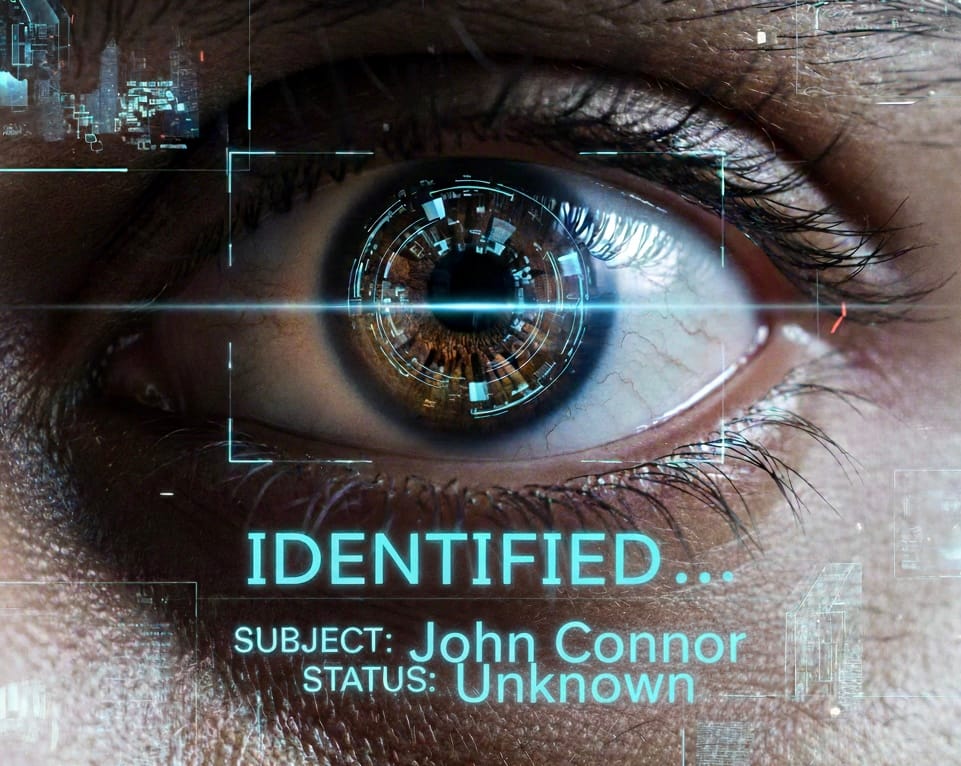
In Steven Spielberg’s 2002 film Minority Report, police rely on psychics called “precogs” to see crimes before they happen. They arrest people for intentions, not actions. The promise is total safety. The reality turns out to be a nightmare of guilt by prediction and no room left for innocence.
Today, Palantir Technologies is building something uncomfortably close to that fictional system. Its Gotham platform and newer Artificial Intelligence Platform (AIP) pull together massive streams of data to forecast criminal behavior, spotlight “high-risk” people, and steer police decisions. Alex Karp, Palantir’s CEO, has even nodded toward Minority Report when describing what his company can do. He frames it as protecting Western civilization. Critics see something darker.
George Orwell captured the feeling best in 1984: “Big Brother is watching you.” Palantir’s software fuses arrest records, social media posts, license-plate scans, welfare files, and location tracks into detailed personal dossiers. Law enforcement can reach into those files with few checks and often no warrant. The result looks less like traditional policing and more like permanent, algorithmic suspicion.
Palantir started in 2003 with seed money from the CIA and a mission tied to counterterrorism. Peter Thiel co-founded it. Over the years it moved into everyday domestic policing. Departments in New York, Los Angeles, New Orleans, and many others now use its tools. Gotham breaks down data silos so analysts can search across sources in real time. AIP adds predictive layers on top. Contracts keep growing. In 2025 alone, Immigration and Customs Enforcement signed a $30 million deal for systems that give agents near-real-time tracking of migrants. British police forces have also started buying in.
Some of the most revealing stories come from programs that stayed secret for years. New Orleans ran a hidden Palantir partnership from 2012 to 2018. The police department used social network analysis to guess who might be involved in gun violence next. Analysts fed in partial clues (a license plate, a nickname, a social media handle) and the system mapped connections to known gang members, past victims, or shooting suspects. It produced risk scores and a “chronic offender” list. The public never knew. City council never voted. Palantir called it a philanthropic donation. When reporters finally exposed it in 2018, the program ended quickly. Critics pointed out it delivered almost no social services and rested on untested assumptions.
Los Angeles police have used Palantir tools for over a decade. Internal training documents show officers could search combined databases for license plates, tattoos, scars, gang affiliations, and location history. Tens of thousands of searches happened every year. New York Police Department runs similar analytics through Gotham. Transparency fights have gone to court.
ICE depends on Palantir even more heavily. The agency’s Investigative Case Management system and a custom platform called ImmigrationOS pull data from multiple sources to support deportation operations. In 2025, with immigration enforcement ramping up, those tools give agents an unprecedented view into people’s lives.
The privacy implications are staggering. Palantir’s strength is breaking down walls between databases. Information collected for one purpose (welfare benefits, driver licenses, social services) suddenly becomes available for criminal investigations. Most of it is accessed without a warrant. People have no idea their data is being queried. Social media posts, protest attendance, even casual associations can raise a risk score. Free speech takes a hit when every online complaint or march photo might land in a police file.
Former Palantir engineer Juan Sebastian Pinto has spoken publicly about the risks. He says the danger is invisible. Biased historical data gets fed into the system, and the algorithms quietly reproduce racial disparities in targeting. Real-world harm shows up in patterns, not always in individual courtroom convictions. Predictive policing programs lean on past arrest data. Because Black and Latino neighborhoods have been over-policed for decades, the algorithms send more officers there, producing more arrests, which then justify more policing. New Orleans fed in field interview cards that mirrored old stop-and-frisk racial gaps. Los Angeles programs drew the same criticism.
ICE uses have been tied to family separations and aggressive profiling that human-rights groups call abusive.
Defense lawyers struggle to challenge these systems in court. The algorithms are proprietary. Police often claim trade-secret protection. Defendants cannot always see the evidence used against them or how a “high-risk” label was calculated. That opacity makes it nearly impossible to argue an unconstitutional search or seizure.
The Fourth Amendment is supposed to protect against unreasonable searches. Yet predictive outputs give officers a new kind of “reasonable suspicion.” A computer score can justify a stop, a frisk, or deeper investigation without specific evidence of wrongdoing. Legal scholars at the Brennan Center warn that mass data fusion resembles the long-term location tracking the Supreme Court restricted in Carpenter v. United States. Citizens have a reasonable expectation of privacy even in data they share with third parties. Palantir-style systems routinely violate that expectation.
First Amendment problems appear too. When police monitor social media or protest networks, political speech gets chilled. People think twice before posting criticism or joining a cause. Who decides what counts as actionable intelligence? In practice, it is frontline officers and department analysts. There is little outside oversight. Contracts are sometimes structured to avoid public bidding. Proprietary code stays hidden. Civil-liberties groups like the Electronic Frontier Foundation have called for outright bans in some cities.
Bipartisan Backlash: Liberals and Libertarians Unite Against the Surveillance Tide
Opposition to tools like Palantir crosses political lines. Left-leaning liberals and right-leaning libertarians both raise alarms, though from different angles. Everyone agrees on reducing crime. But at what cost to freedom? Do we trade liberty for a false sense of security, letting algorithms decide who gets watched?
Liberals often focus on social justice and equity. Groups like the ACLU argue that Palantir amplifies systemic racism in policing. In Los Angeles, for instance, data-driven programs have justified heavier patrols in minority communities, based on flawed historical data. The Intercept has detailed how Palantir’s tech “techwashes” bias, making discriminatory practices seem objective.
Former Palantir employees have publicly condemned the company’s role in Trump-era immigration policies, calling it a tool for mass deportations that tear families apart. NPR reported on a letter from over a dozen ex-workers warning that Palantir’s data-mining enables human rights abuses.
Truthdig labeled it “The Police State, Powered by Palantir,” highlighting ICE’s use of leaked documents to track vulnerable people without oversight. Media Matters noted a surge in left-wing discontent, with podcasters and figures decrying the slide toward a surveillance state under expanded government contracts.
These critics see Palantir as part of a broader corporate-government nexus that prioritizes profit over privacy. Prospect Magazine exposed how Palantir lobbied for UK government deals, infiltrating health and defense sectors with little public debate. In the US, similar patterns emerge, with liberals warning that unchecked data fusion erodes civil rights for marginalized groups. Campaign Zero, a progressive advocacy group, calls out private firms like Palantir for building the bedrock of American policing’s surveillance infrastructure, often hidden from view.
On the right, libertarians emphasize individual liberty and government overreach. Peter Thiel’s ties to conservative circles make Palantir’s growth especially ironic. The Guardian ran a piece by Robert Reich arguing that Palantir, under Trump, could target political opponents through data tools. The Intercept revealed NSA documents from Edward Snowden showing Palantir’s tech in global surveillance, raising fears of domestic abuse. Conservative media has voiced unease, with Media Matters reporting podcasters like Joe Rogan warning of a “surveillance state” fueled by Palantir’s Trump alliances. Prism Reports detailed how executive orders and loopholes expand surveillance, crushing privacy safeguards. Bloomberg’s 2018 expose, updated in discussions, showed Palantir weaponizing War on Terror tools against ordinary Americans.
A stark example bridges both sides: the FBI’s accused spying on Catholics. In 2023, a leaked memo from the FBI’s Richmond office flagged “radical traditionalist Catholics” as potential domestic threats, linking them to far-right extremism. By 2025, oversight revealed broader scrutiny. Senate Judiciary Chairman Chuck Grassley released records showing anti-Catholic bias in Biden-era investigations.
The House Judiciary Committee reported FBI surveillance of a Society of St. Pius X priest during a neo-Nazi probe, without clear justification. Catholic League demanded answers, noting the probe targeted religious beliefs. Wikipedia documented the memo’s fallout, with the FBI denying religious targeting but admitting wider reach.
Conservatives decried it as weaponized government against faith groups. Liberals saw parallels to profiling Muslims post-9/11, arguing surveillance tools like Palantir enable such abuses by fusing religious data with “threat” algorithms.
This bipartisan worry extends globally. US conservatives increasingly criticize the UK’s approach to policing speech, fearing America could follow. In 2025, the US State Department reported human rights “worsened” in the UK, blaming the Online Safety Act for chilling free speech through overzealous content moderation. Politico noted Republicans like JD Vance blasting UK arrests for social media posts during riots, calling it a firestorm against free expression. The New York Times highlighted laws enabling “zealous policing” of online dissent, with right-wing figures warning of slippery slopes. Heritage Foundation urged America to heed the UK’s “sinister turn,” where speech limits threaten core freedoms. Current Affairs detailed UK charges against rappers for “terrorism” and ID restrictions online, demolishing civil liberties. The Atlantic acknowledged Republicans’ valid critiques of Europe’s speech crackdowns, even if hypocritical. BBC reported Nick Clegg accusing Vance of hypocrisy, but the point stands: conservatives see UK as a cautionary tale.
Palantir’s tools could supercharge similar trends here. Social media monitoring already flags “hate speech” or dissent. Liberals fear it silences progressive activism. Libertarians dread it targets conservative views on immigration or religion. Both sides ask: reduce crime, yes. But reduce freedom at all costs? No. Orwell warned surveillance reshapes society. Palantir risks making that warning real.

Lawmaking has not kept pace. States introduced hundreds of AI-related bills in 2025. Many aimed at requiring transparency or impact assessments for police tools. A federal executive order issued in December, however, preempted some of the strictest state rules. It emphasized innovation and national security over local restrictions. That shift could block cities from banning predictive systems altogether. We are left with a question Orwell forced readers to confront. Constant watching changes human behavior. It erodes freedom even when no crime has occurred. Palantir’s technology turns policing into preemption. Algorithms judge people by their data shadows rather than their actions. Innocence becomes a probability score, not a presumption.
The power now sitting at law enforcement’s fingertips is immense. History shows that power, once granted, is rarely given back voluntarily. If we want to avoid living in a real-life Minority Report, the time to demand accountability is now, before the precogs become permanent.
To delve deeper, consider the ethical quandaries. Palantir’s defenders, including Karp, insist the tech saves lives by thwarting threats. But evidence of efficacy is thin. Studies on predictive policing show mixed results at best, with bias often outweighing benefits. In New Orleans, the program’s end sparked no crime spike, suggesting hype over substance. Expand that to immigration. Palantir’s ICE contracts, worth hundreds of millions, enable tracking that critics say fuels dehumanizing policies. Washington Post explained how software pinpoints suspected undocumented people, raising due process concerns. From a liberal view, this perpetuates inequality. Libertarians see big government intruding on personal sovereignty.
The FBI Catholic scandal underscores misuse potential. The 2023 memo wasn’t isolated. By 2025, documents showed surveillance extended to priests refusing to break confessional seals. YouTube clips of Rep. Jim Jordan grilling officials went viral, amplifying conservative outrage. Catholic Herald revealed FBI misled Congress on scope. This isn’t just about one faith. It shows how data tools label groups as risks based on associations.
Across the Atlantic, UK’s trajectory alarms. CNN covered Trump’s report slamming UK declines. Politico Pro noted errors in the critique but validated free speech fears. Guardian reported Labour pushback on US sanctions over speech issues. ADF International highlighted US alarms over UK expression curbs. If Palantir expands in UK policing, as Liberty Investigates reported, it could fuse data for speech enforcement. Nation delved into Palantir’s “idea of peace,” critiquing Karp’s vision as militarized control. Clarkson Law Firm warned of White House partnerships creating a “foundry of surveillance.”
In conclusion, Palantir embodies a crossroads. Crime reduction tempts, but freedom’s price looms. Liberals decry equity erosion. Libertarians fight overreach. Bipartisan voices urge pause. Orwell’s dystopia beckons if we ignore them.